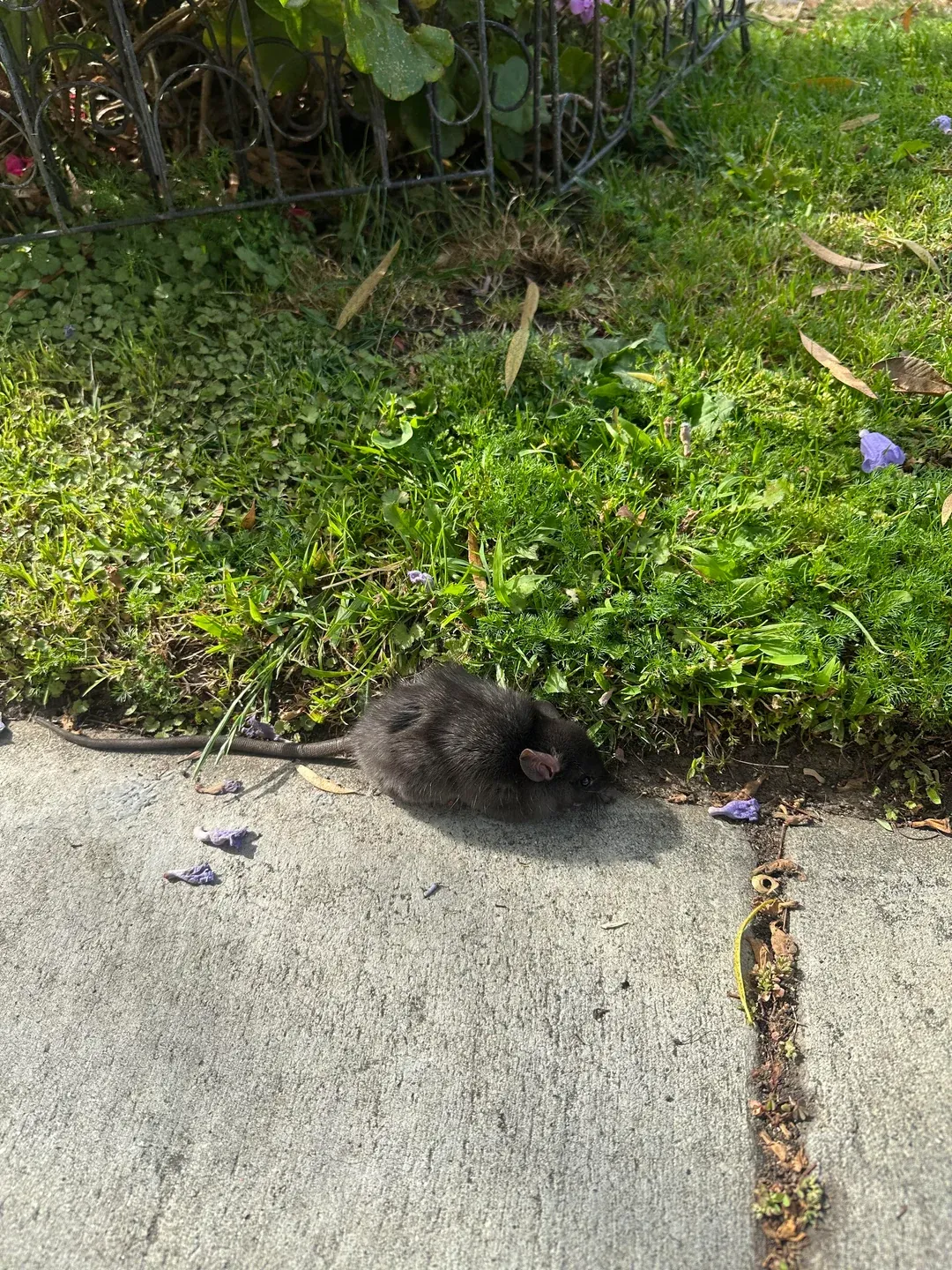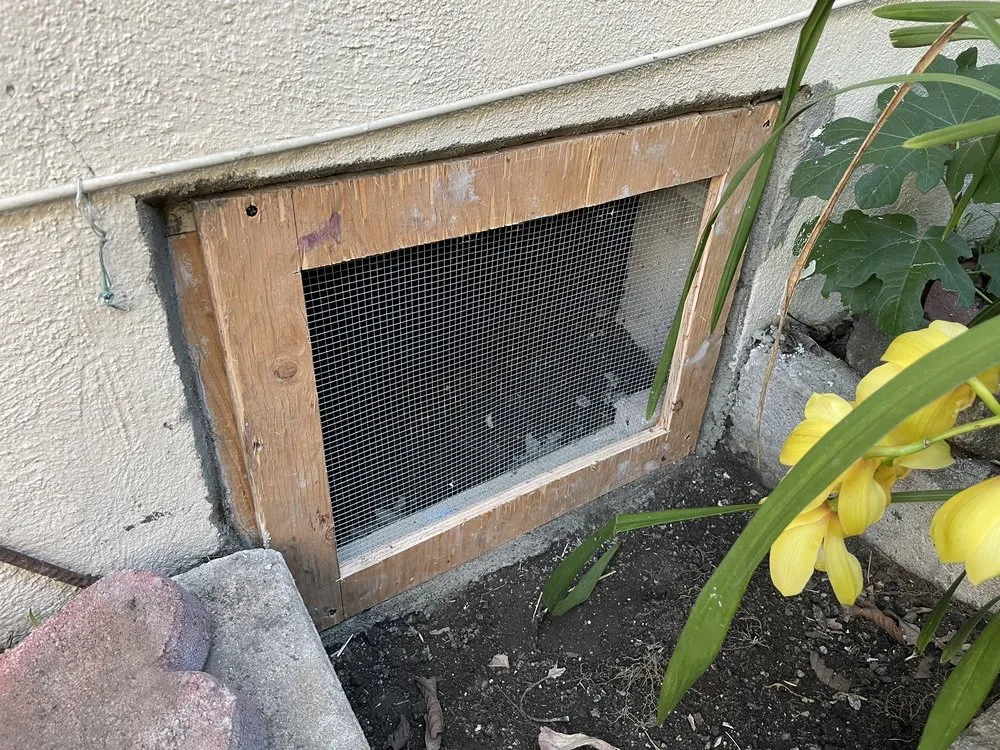

There are 5 clues that separate rats from mice: dropping size, sound, travel height, gnaw marks, and the width of the gap they came through. One blurry sighting settles nothing. Five clues together settle it fast.
Long Beach deals with 3 species. Roof rats, Norway rats, and house mice each use a different part of the building, so the answer decides where every trap goes.
Start with dropping size
House mouse droppings measure 1/8 to 1/4 inch (3 to 6 mm) with pointed ends. They look like dark grains of rice and pile up in drawers, pantry corners, appliance voids, and garage storage.
Rat droppings run 1/2 to 3/4 inch (13 to 19 mm), roughly 3 times larger. Roof rat waste is slimmer with pointed tips. Norway rat waste is thicker and blunter. Never sweep dry droppings. Dry dust carries hantavirus and salmonella into the air, so wet the area with disinfectant first.
Listen to where the sound sits
Light, quick scratching low in a kitchen wall or inside a cabinet points to mice. Heavy running with a clear landing thump above a bedroom points to a roof rat in the attic.
Norway rat movement shows up under floors, behind low walls, near crawlspaces, and under decks. Sound carries through framing, so the loudest room is not always the one holding the nest.
Compare the travel height
| Evidence | House mouse | Roof rat | Norway rat |
|---|---|---|---|
| Common level | Cabinets and lower walls | Attics, eaves, trees | Ground, drains, burrows |
| Typical route | Short wall-edge loops | Palms, fences, ivy, rooflines | Alleys, foundations, crawlspaces |
| Entry size | 1/4 inch (6 mm) | 1/2 inch (13 mm) | 1/2 inch (13 mm) |
| Local food | Pantry goods, seed | Fruit, bird seed, pet food | Waste, pet food, ground spills |
Treat these as tendencies. A rat can drop into a kitchen and a mouse can reach an attic. Read the full pattern rather than one row.
Look at the damage
Small tears in cereal, rice, seed, and pet food bags fit mice. Large gnaw marks on roof trim, thick wiring, irrigation tubing, and storage bins fit rats. Fresh marks always look lighter than the wood or plastic around them.
Roof rats hollow fruit while it hangs on the branch. Norway rats leave smooth burrow holes near a slab, shed, storm drain, or heavy ground cover. House mice build tight nests from shredded paper, cloth, and insulation within a few feet of indoor food.
Use the building as context
Older Long Beach bungalows carry weathered eaves, raised crawlspaces, and additions that never lined up right. Apartments run continuous plumbing chases between units. Restaurants and port facilities take pressure from loading docks, waste areas, and storm drains. The building type points to which route deserves the first look.
What to do once you know
Mouse treatment packs 6 to 12 traps into one small nest zone and seals every 1/4 inch gap feeding it. Roof rat treatment climbs to attic pathways and high exterior openings. Norway rat control follows walls, burrows, storm drains, and ground cover.
Read mouse control for small indoor signs, rat control for attic noise or large droppings, and rodent exclusion to seal the openings either species used to get in.
- #rats
- #house mice
- #identification
- #Long Beach