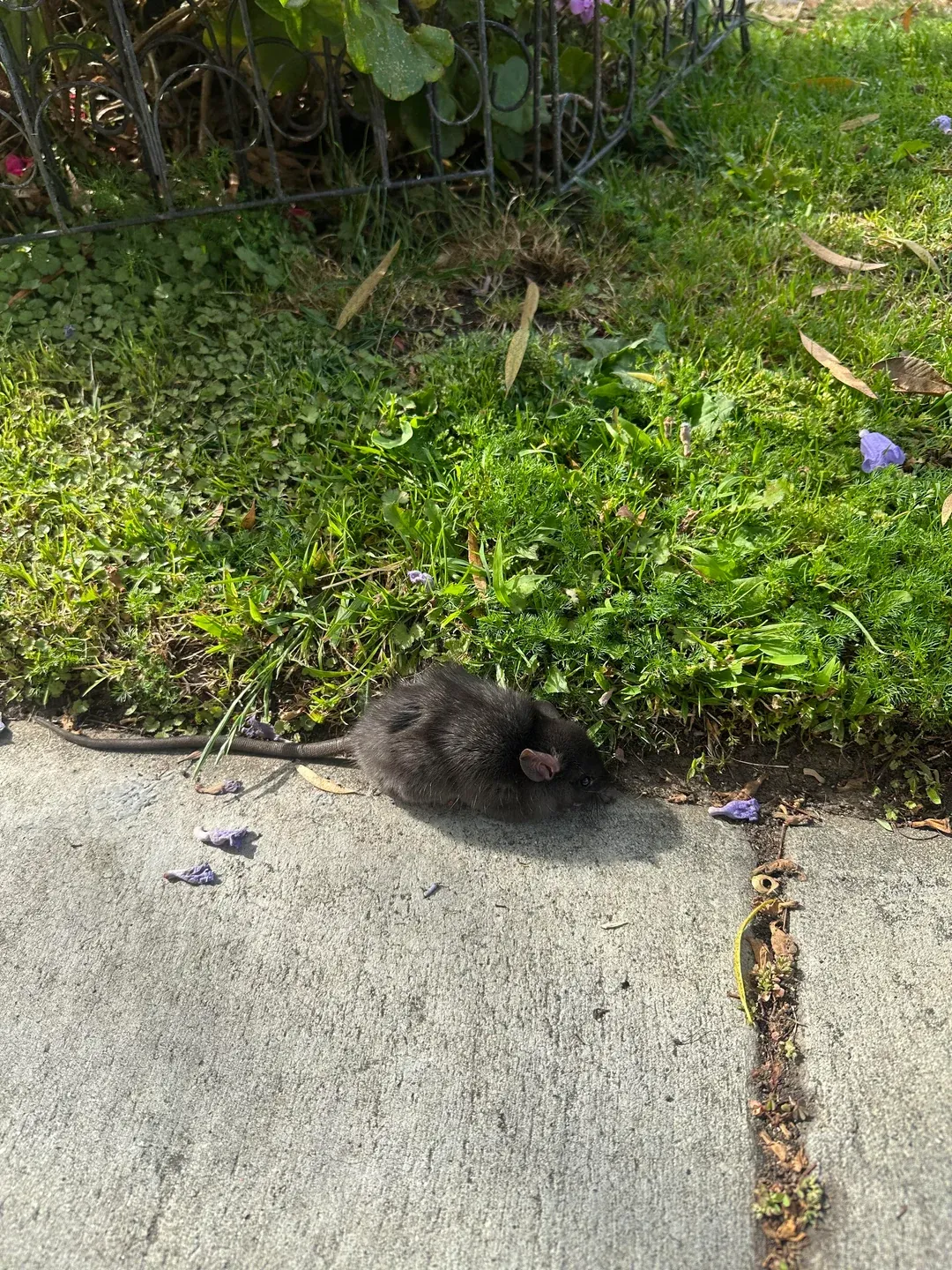
Rodent proofing your Long Beach home means finding the openings, clearing the animals already inside, then closing the structure with materials rodents cannot chew. Older houses carry character and decades of utility work, and every one of those cuts left a gap somebody covered instead of sealing.
Never finish the sealing while rats or mice are still active indoors. Confirm the removal first.
Start at the roof edge
Roof rats approach from palms, fruit branches, vines, fences, walls, and cable runs. From safe ground level, check for:
- Gable, turbine, and attic vents with loose or rusted screening.
- Open soffit returns and gaps behind the fascia board.
- Roof junctions where an addition meets the original roofline.
- Tile edges, flashing, and cable or solar penetrations.
- Fronds or branches touching the building anywhere.
Long Beach salt air and sun wear out mesh, fasteners, paint, and sealant faster than inland weather does. Swap weak screening for galvanized hardware cloth sized to the species you are keeping out.
Check the crawlspace and foundation
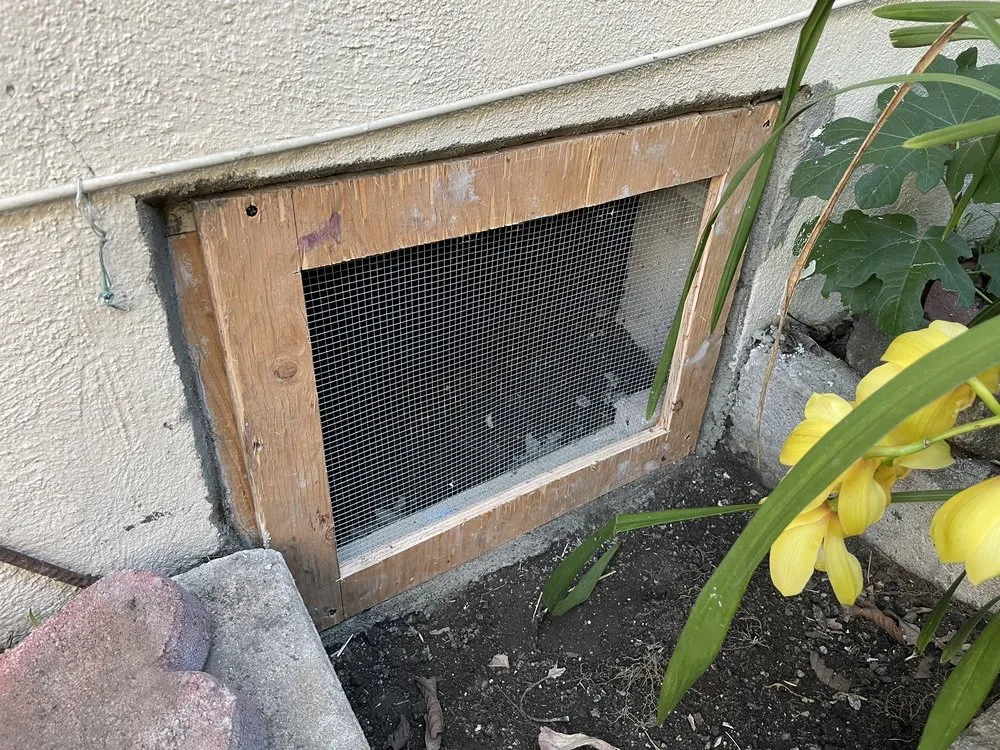
Craftsman homes and raised foundations need a low inspection even when the noise comes from above. Look for detached crawlspace screens, unpacked utility gaps, broken access doors, burrow holes, and open plumbing penetrations.
Norway rats work ground routes near storm drains, alleys, decks, heavy ivy, and the foundation line. A house mouse takes a far smaller gap around a pipe or a siding seam.
Treat the garage as part of the house
A garage hands rodents food, nesting material, and a direct wall connection. Inspect the bottom sweep, both lower door corners, the water heater platform, the dryer vent, the gas and water lines, and every opening into the kitchen or laundry wall behind it.
Get cardboard off the floor. Move bird seed, grass seed, dry pet food, and snacks into hard containers with tight lids.
Inspect kitchens and utility chases
Open the cabinets under the sink and beside the appliances. One rough cut around a pipe can open the room to an entire wall cavity. Check the dishwasher, refrigerator, stove, and laundry connections, plus any pipe openings inside closets.
In apartments, the same chase runs through several units. Treating the whole building beats treating one kitchen over and over.
Pick hard repair materials
Match the barrier to the opening:
- Galvanized hardware cloth for vents and irregular voids.
- Sheet metal or flashing for edges and gnaw-prone transitions.
- Copper mesh with a hard finish for small utility gaps.
- Mortar or a cement patch for masonry and foundation cracks.
- Fitted sweeps and corner guards for doors that move.
Expanding foam is not a rodent barrier. Use it to finish around hard material, and never as the material itself.
Cut the pressure outside
Pick up fruit, close waste bins, clean seed spills, repair irrigation leaks, thin the ivy beside walls, lift stored material off the ground, and open a clear gap between vegetation and the roof. These changes make the sealing work hold longer.
Know when to hand it over
Bring in a pro for steep or fragile roofs, heavy attic waste, dead animal odor in a wall, commercial kitchens, several affected units, or activity that came back after your last round of repairs.
Our rat control service covers high and low rat routes, and mouse control works the tight indoor nest zones. Both clear the animals first, then rodent exclusion closes the openings for good.
- #rodent proofing
- #older homes
- #exclusion
- #Long Beach